Latex in bedding materials combines natural elasticity with buoyant support, offering resilient comfort that adapts to body contours without excessive compression. This category emphasizes latex’s durability, breathability, and antimicrobial properties, making it a meaningful component for mattresses, pillows, and sheets. Understanding latex helps differentiate it from foam and other cushioning options within sleep systems.
Natural latex is sourced from rubber tree sap and processed to form a latex foam with open-cell structure, promoting air flow and temperature regulation. In bedding, this translates to a cooler sleeping surface with consistent support across the night. The material’s ability to return to shape supports spinal alignment and reduces pressure points for many sleepers.
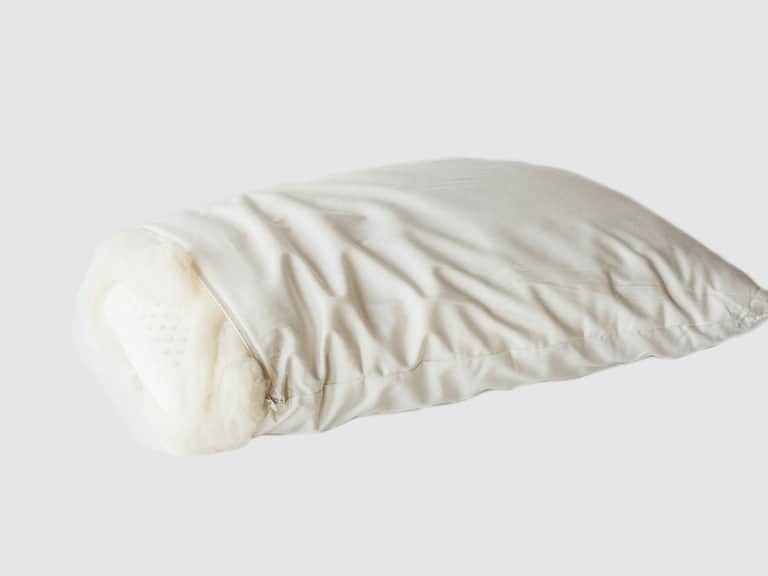
Within the category, noteworthy products include the Natural Wool-Wrapped Latex Bed Pillow, which blends latex core resilience with wool’s natural temperature regulation and softness. The wrapped construction offers additional cushion and zoned support, enhancing stability for head, neck, and shoulder comfort while maintaining pillow hygiene through breathability.
Key features to consider when evaluating latex-based bedding include firmness range, density, and cover materials. Latex pillows and mattresses often balance support with contouring, providing responsive feel without significant sag. For sheets and organic mattresses, latex can contribute to a durable sleep surface that maintains shape and reduces movement transfer for restful nights.
Functional benefits of latex bedding center on support longevity, hypoallergenic properties, and ease of care. Its resilience reduces the frequency of replacements, while breathability helps regulate microclimates. When used in combination with natural wool wraps or organic fabrics, latex supports a healthy sleep environment aligned with bedding, pillows, memory foam pillows, and related products.
 Bedding