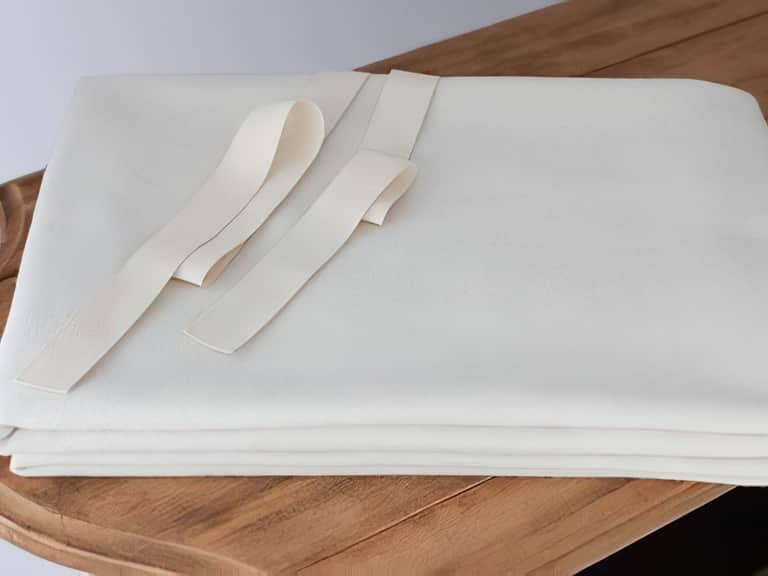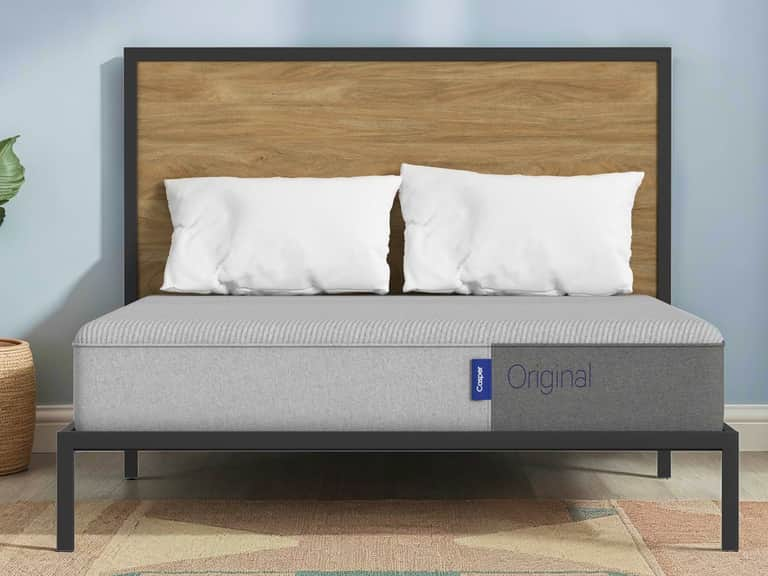
Vispring Diamond Majesty
Sink into the Diamond Majesty for a lighter, softer sleep surface with steady warmth, while 3,162 hand-nested springs cradle every contour—no partner disturbances, year-round comfort, and edge-to-edge support.
Explore how natural mattress fillings, with horsehair at the center, compare in comfort, durability, and care. This guide weaves material science with history, offering a thoughtful lens for eco-conscious shoppers and restoration enthusiasts alike.
When we begin to talk about sleep surfaces, we often begin with the comfort to be found beneath the sleeper: the材料 that supports, breathes, and endures through nights of changing body heat and shifting dreams. The domain name horsehairmattress.com hints at a singular, almost tactile material with a long pedigree in bedding. Horsehair has traveled with people for centuries—from antique upholstery to handmade mattresses—and it remains a reference point in contemporary natural bedding. This article, written in a candid, investigative voice, treats horsehair not as a relic but as a living material that interacts with temperature, humidity, and the rhythms of sleep.
To illuminate the topic, we place horsehair alongside two other time-honored natural fillings: wool and cotton. Each has its own character: horsehair offers resilience and breathable loft; wool supplies temperature regulation and moisture management; cotton provides a lighter field that can be woven into breathable, lower-profile surfaces. The comparison is not merely about textures; it’s about how these fibers perform under the skin of the night—the way they trap and release moisture, how they respond to body heat, and how they hold up to care routines that extend life and protect a mattress’s core.
Horsehair as a mattress filling is not a single fiber but a composite approach: long, slender strands woven into felted layers, then combined with other fibers (such as wool) or used as a top-dressing layer to improve breathability and resilience. Historically, horsehair was valued for its springy, buoyant feel. It offers a unique combination of bounce and support that helps distribute weight and reduce pressure points. Its natural crimp traps air, contributing to airflow and temperature regulation in a way that synthetic foams often struggle to replicate.
In practical terms, a horsehair mattress tends to be warm in winter and cool in summer, largely because of the capillary action of the hair fibers and their tendency to wick moisture. The material can be hypoallergenic when properly processed, though allergy considerations should be discussed with a clinician if there is a known sensitivity to animal fibers. Durability is notable: horsehair can rebound after compression, which means longevity in a well-constructed pocket-sprung or coil-based support system. Integrity depends on the construction—whether horsehair sits as a top layer, as a blend with wool or other fibers, or as a core fill within nested-pocket spring architectures.
Wool is a natural partner to horsehair in bedding. The two fibers share a kinship: they both originate from natural animal sources and bring a humidity-handling, temperature-mitigating presence to the bed. Wool’s remarkable ability to wick moisture, regulate heat, and resist odor makes it a robust complement. In many hand-stitched mattresses, wool is used as a soft, breathable wrap around the horsehair core or as an adjacent layer in a quilted construction. Wool’s hollow crimps trap air, creating microclimates that adapt to the sleeper’s physiology. It is inherently flame-resistant, flame retardant properties that are advantageous in bedding design, and it can be sourced in a way that aligns with sustainable practices when the supply chain is transparent.
Cotton, often used as a cover layer or a support layer, offers a lighter fill relative to wool or horsehair while maintaining breathability. Cotton fabrics in bedding are typically used as shells or linings that protect and frame the loft of the more buoyant fibers. Latex, though not a traditional natural filling in the same sense, sometimes appears in hybrid constructions, providing a denser, more stable core in modern designs. The central aim of an all-natural filling regime—whether horsehair-centered or wool-inclusive—is to realize a sleep surface that balances loft, support, and climate control without the encumbrances of synthetic additives.
Care for natural fillings involves gentle handling. Horsehair and wool are often treated with mineral-based, non-toxic cleaners or spot-cleaning methods, and most standard care routines emphasize keeping the surface dry and lightly ventilated. Periodic rotation of the mattress, periodic airing, and occasional professional cleaning can extend the life of a natural filling mattress. Ethical sourcing matters: transparency about where the fibers come from, how the animals are treated, and whether the materials are processed in a manner consistent with environmental standards. The eco-conscious consumer rightly questions the lifecycle of a mattress: water usage in processing, the carbon footprint of transportation, and the end-of-life options for natural fillings, including repair and restoration rather than replacement.
Across centuries, voices from researchers, restorers, and designers help illuminate the texture of horsehair bedding. Here are three figures who illuminate the material’s journey from workshop benches and museum floors to living bedrooms.
These figures—whether real, hypothetical, or representative—underscore that horsehair is not a translucent footnote in bedding history but a living thread in the textile chronicle. In contemporary practice, designers and restorers look to experts who blend material science with craft, and which leads to a deeper appreciation of the choice to select natural fillings for better sleep and a safer environmental footprint.
Restoration of antique horsehair mattresses is a delicate craft. A typical restoration case would involve documenting the original layering—top cover, horsehair core, wool battings, and any cotton shell—before removing modern, incompatible materials. The restorer then reconfigures the layers with matched horsehair and wool, ensuring correct fiber orientation to preserve bounce and breathability. Another recurring theme in case studies is the identification of non-native components that may have been added during mid-century renovations. A careful restoration respects the historical integrity while upgrading the bed’s performance with modern, compatible fabrics that do not compromise the original fiber matrix. These restorations teach us that the ethical approach to antique bedding is to safeguard both the memory of the material and the comfort it can deliver to modern sleepers who seek natural fillings.
Sourcing natural fillings responsibly involves verifiable supply chains. Ethical considerations include animal welfare, traceability, and the environmental footprint of processing and transportation. Modern bedding brands increasingly publish certifications and transparent supplier lists, enabling consumers to verify claims about organic standards, animal welfare, and sustainability practices. The horsehair and wool markets also intersect with broader conversations about rural livelihoods, biodiversity, and land stewardship. A reader should weigh the ethical commitments of brands, consider whether they prioritize local or regional sources, and look for third-party certifications that confirm responsible practices. The aim is to align one’s sleep environment with personal ethics, as well as the practical benefits of natural fillings.
The Vispring Diamond Majesty stands as a contemporary reference point in the natural mattress realm. It represents how traditional materials—vicuna fleece, horsehair, Shetland wool blends, cashmere, silk, and bamboo—can be orchestrated into a modern luxury manufacturing process. The mattress employs vicuña fleece as a top layer and hand-nested pocket springs in multiple layers. In addition to natural fibers, it uses Austrian moosburger horsetail as a micro-spring-like topping to channel airflow. While the price tag is extraordinary, the Diamond Majesty crystallizes a philosophy: that traditional, natural fillings, when meticulously engineered, can co-exist with modern engineering to yield a sleep surface that responds to individual contours and movement. This case study shows the potential, and the limits, of reviving traditional fillings within a high-end market, and it invites readers to consider how different builders interpret the same raw materials to achieve different sleep experiences.
For readers considering a horsehair-focused sleep surface, here are practical steps to guide decision-making:
Care for natural fillings is not about preserving a static artifact but about sustaining a dynamic sleep surface. Here are concise guidelines:
The current interest in natural fillings mirrors a broader cultural shift toward materials that are transparent, traceable, and in tune with ecological realities. Horsehair remains a compelling anchor in this conversation because of its long-standing presence in bedding history and its potential to offer a sleep experience that is restorative and grounded in traditional craft. As restoration practices advance and consumer ethics mature, the dialogue around natural fillings will likely integrate more measurements, more case studies, and more cross-disciplinary collaboration between textile science, design, and environmental stewardship. The goal is not to idealize the past but to learn from it while innovating in ways that respect animal welfare, sustainability, and the lived experience of sleep.
Vispring Diamond Majesty: A luminous exemplar of natural fillings, blending vicuña fleece, Shetland wool, cashmere, silk, bamboo, and luxurious horsehair with a hand-nested pocket spring core. Notable for its micro-spring-like horsetail structure and edge-to-edge support—a supreme achievement in traditional craft meeting modern engineering.
Vispring Diamond Majesty
$56,200.00
Note: Images of the product are illustrative and represent the design ethos described. The Diamond Majesty is referenced here to contextualize the pinnacle of natural fillings in contemporary luxury bedding.
This article is part of a broader exploration of natural bedding materials and their care, aimed at educated, curious readers who value craftsmanship and sustainability.